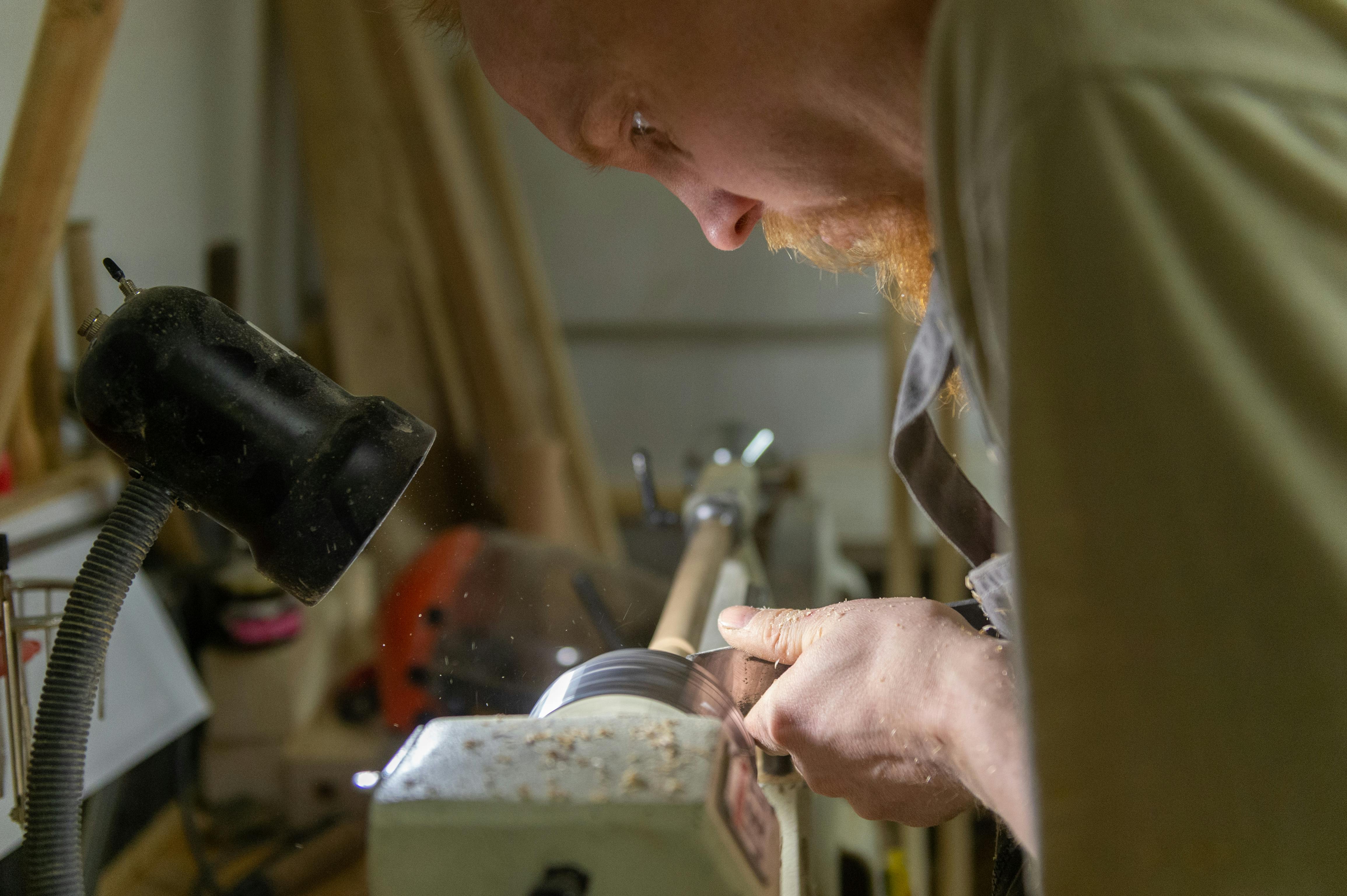
Introduction to Woodwork Basics
Welcome to Guzman's Woodwork in Lubbock, Texas! Whether you're considering a custom bookshelf or a new dining table, understanding the basics of woodwork can enhance your appreciation and ensure you make informed decisions. In 2026, woodwork continues to be a blend of traditional craftsmanship and modern techniques. Let's simplify some of these concepts for you.
Types of Wood: Hardwoods vs. Softwoods
One of the foundational aspects of woodwork is knowing the types of wood available. Wood is generally categorized into two types: hardwoods and softwoods.
Hardwoods
Hardwoods come from deciduous trees, which lose their leaves annually. Notable for their durability and strength, hardwoods like oak, maple, and cherry are often used in furniture making. Their dense nature makes them ideal for high-traffic areas.
Softwoods
Softwoods are derived from coniferous trees, like pine and cedar, which are evergreen. They tend to grow faster than hardwoods, making them more affordable. Although softer, they are versatile and used in many applications, from framing to cabinetry.
The Importance of Grain Patterns
Grain patterns in wood are more than just aesthetic features; they can indicate the wood's strength and suitability for different projects. Understanding grain patterns can help you choose the right material for your needs.
Straight Grain
Wood with a straight grain is uniform and consistent, making it easier to cut and less likely to warp. It's often preferred for structural elements.
Cross Grain
Cross grain patterns, while visually appealing, can make the wood more challenging to work with. They require careful handling to avoid splintering.
Woodworking Tools: Simplified
Woodworking tools might seem intimidating, but knowing their basic functions can demystify them.
Saws
From hand saws to electric saws, these tools are essential for cutting wood to size. Each type of saw has a specific purpose: table saws for long, straight cuts, and jigsaws for curved lines.
Sanding Tools
Sanders smooth the wood surface, preparing it for finishing. Orbital sanders are popular for their ease of use and effectiveness in achieving a smooth finish.
Chisels
Chisels are used to carve or cut wood into specific shapes. They come in various sizes to handle different tasks, from detailed carving to removing large chunks of wood.
Finishing Techniques: Protect and Beautify
The finishing process not only enhances the wood's appearance but also protects it from damage. Different techniques provide varied results.
Staining
Staining changes the color of the wood, highlighting its natural grain. It's a popular way to match new pieces with existing decor.
Varnishing
Varnish adds a protective layer, safeguarding the wood from moisture and scratches. It provides a glossy finish that enhances the wood's beauty.
Common Woodwork Projects Explained
For homeowners in Lubbock, Texas, understanding the scope and details of common woodwork projects can help you visualize and plan better.
Custom Furniture
When we talk about custom furniture, it means creating pieces tailored specifically to your space and needs. The process involves designing, selecting materials, and crafting unique items.
Cabinetry
Building cabinets involves precise measurements and fitting. It requires selecting the right wood type and finish to match your kitchen or bathroom decor.
Conclusion: Enhancing Your Woodwork Experience
Understanding the basics of woodwork can transform how you interact with the craft, whether you're buying custom furniture or planning a DIY project. At Guzman's Woodwork, we're here to help you navigate these choices with confidence. If you have more questions or need expert advice, feel free to contact us or visit our workshop in Lubbock, Texas. Let's craft something beautiful together!